Designing for Continuity in Historic Arts Buildings
Many of the world’s most loved cultural buildings were never designed for the way we use them today. Built for different audiences with different expectations (some not for humans at all, instead used to store horses or trains!) the expectations have changed. Now, these institutions accommodate contemporary programming, accessibility requirements and technical complexity – often within the tight constraints of protected historic fabric shaped by decades of change.
At Charcoalblue, we believe their survival hangs in the balance between preservation and evolution. To remain relevant, these spaces must continue to serve artists, audiences, and communities. Our role as consultants is to ensure that change strengthens, rather than diminishes, what makes these buildings truly special.
A respectful but active approach to heritage
Our approach to planning and design is centred around listening: to our clients and their stakeholders, to artists and technicians, and to the underlying ambitions that drive each project. Just as importantly, we listen to the building itself—its history, quirks, constraints and latent potential.
This dance—between conservation and transformation—demands confidence, grounded in an understanding not only of heritage and history, but of operational realities and long-term stewardship.
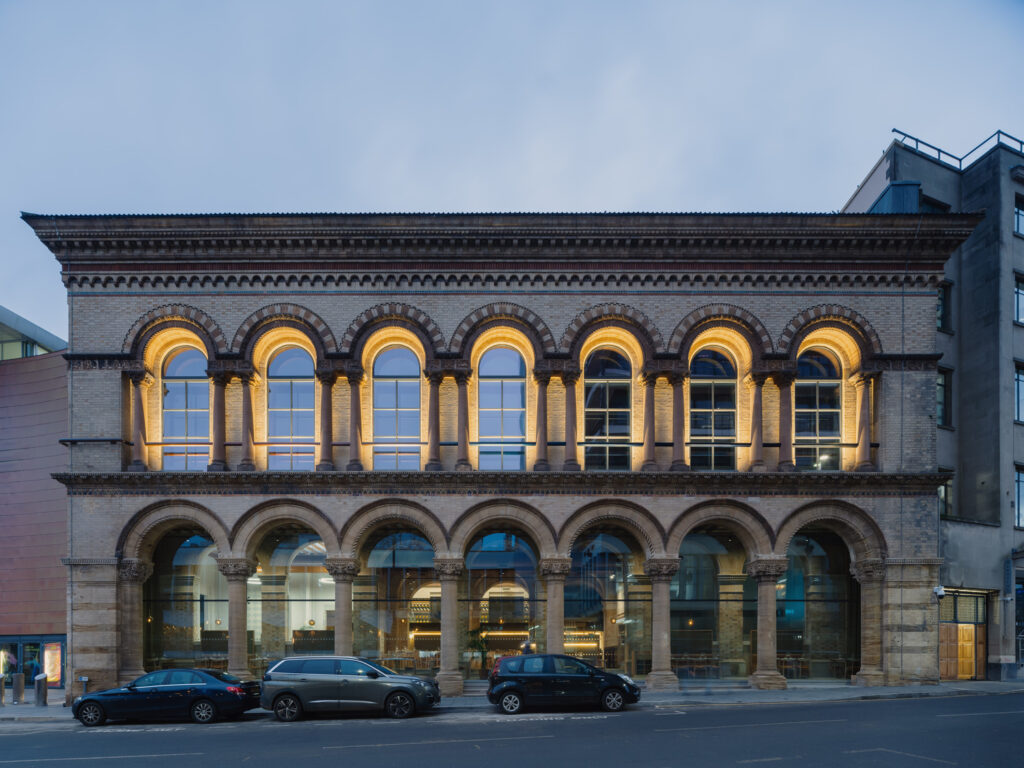
Stewardship through change
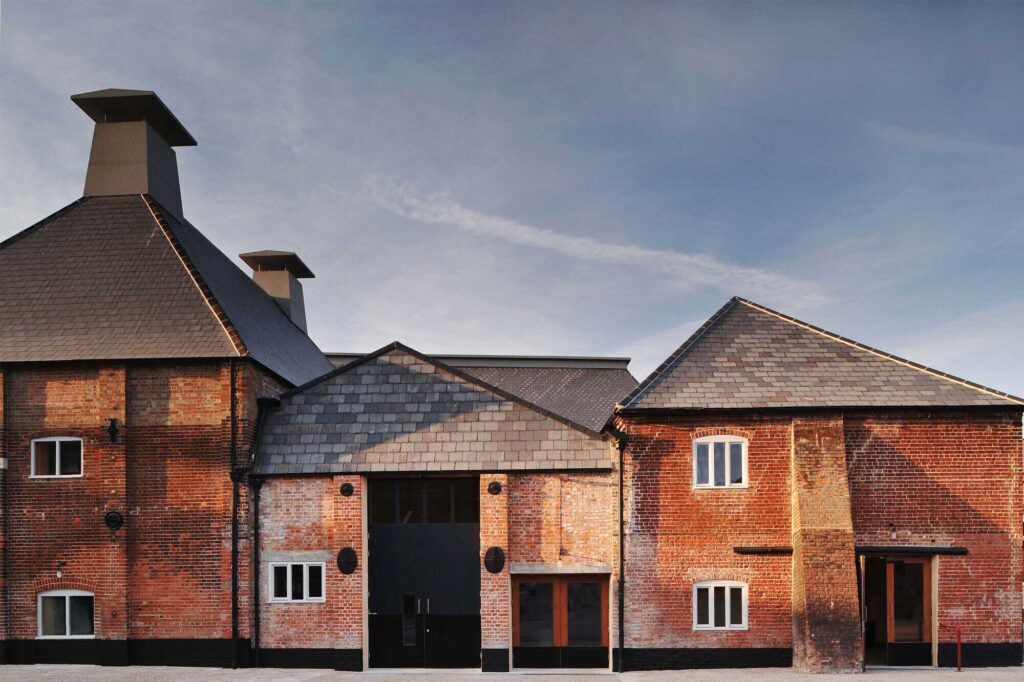
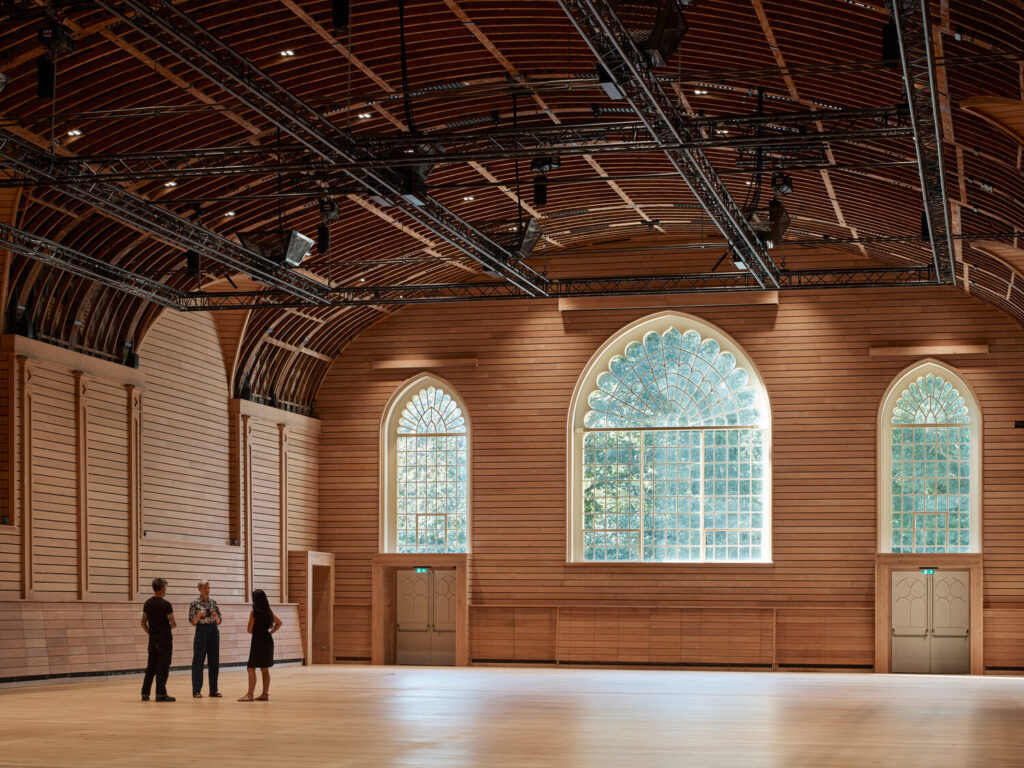
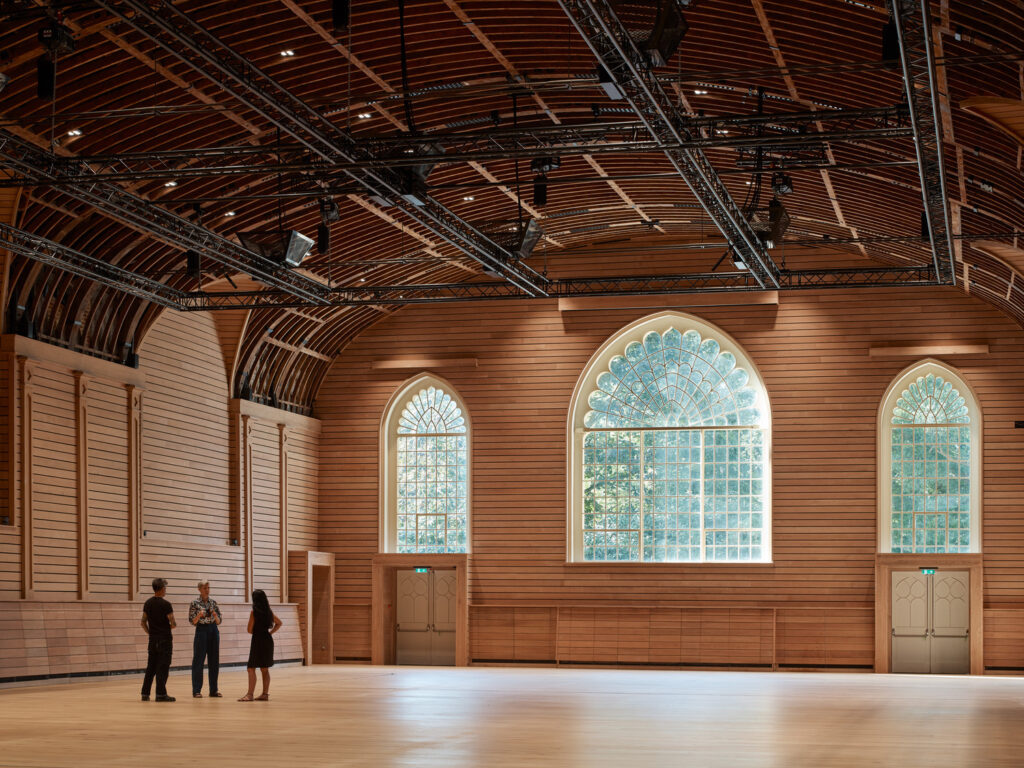
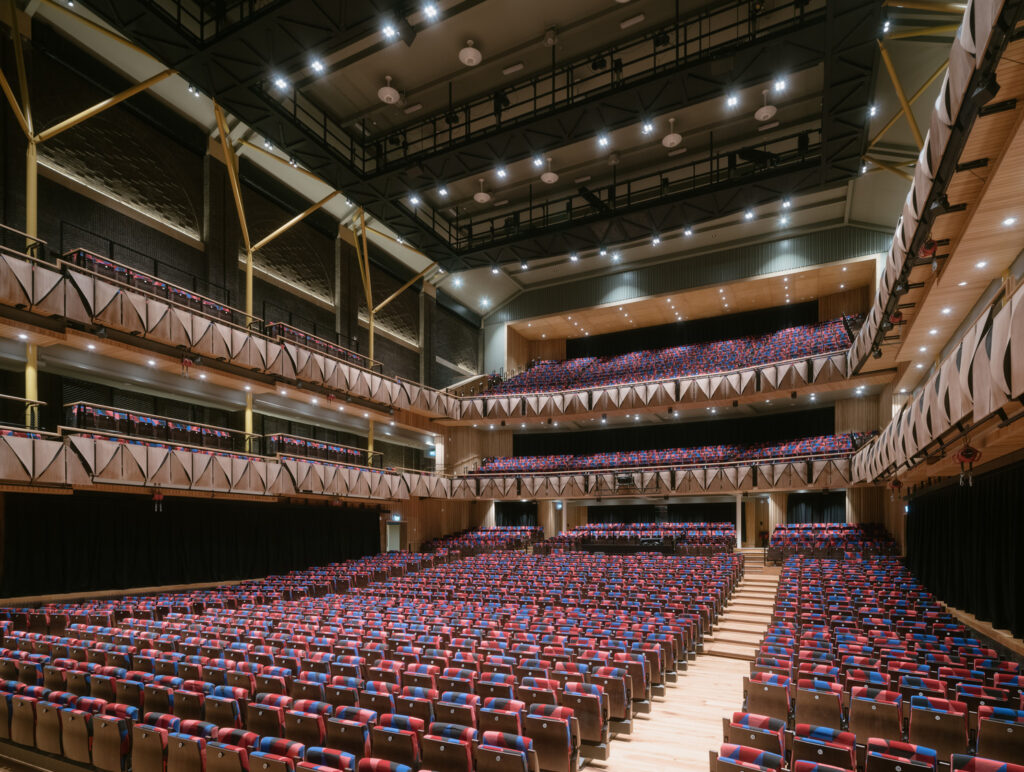
Snape Maltings Concert Hall is one of the UK’s most significant cultural buildings, internationally renowned for its acoustics and inseparable from the legacy of Benjamin Britten and Britten Pears Arts. It is also a complex, evolving campus with a deep connection to place, community and education.
Our long-standing relationship with Snape Maltings has given us an intimate understanding of both the physical building and its cultural role. Our work there reflects a careful stewardship of the hall: building on deep knowledge of what already works, respecting its musical and architectural integrity, and introducing change only where it is needed to support future use.
Our scope has focused on integrating technical systems, seating and performance infrastructure in ways that are flexible and discreet. Decisions are made collaboratively, with the client and wider design team, allowing for honest discussions around heritage considerations with the realities of a working concert hall.
Snape Maltings exemplifies our belief that heritage projects are strongest when shaped through long-term relationships and careful judgement, ensuring that historic buildings remain genuinely useful to those who make and experience art — echoing Benjamin Britten’s conviction that art should be “of use to people… to enhance their lives.”
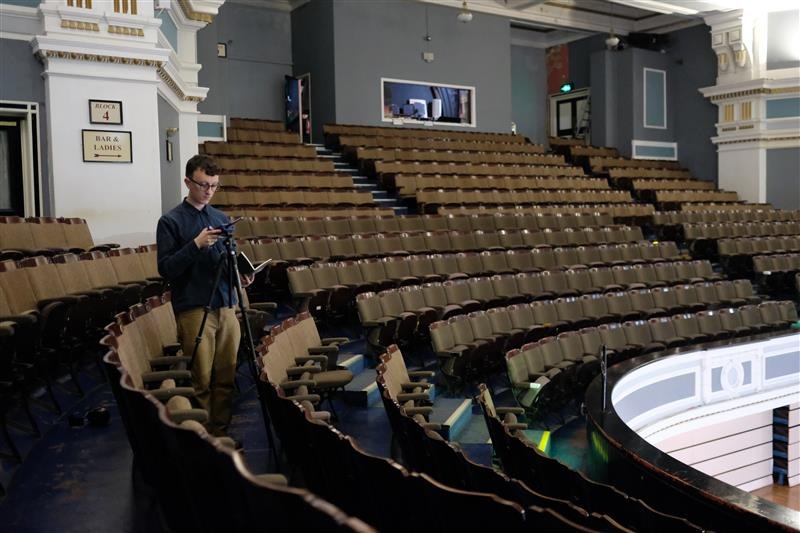
Snape Maltings Acoustic Test
A breadth of experience in heritage arts buildings
Our work at Snape Maltings sits within a wider body of experience delivering sensitive, high-performance interventions in historic and listed cultural buildings.
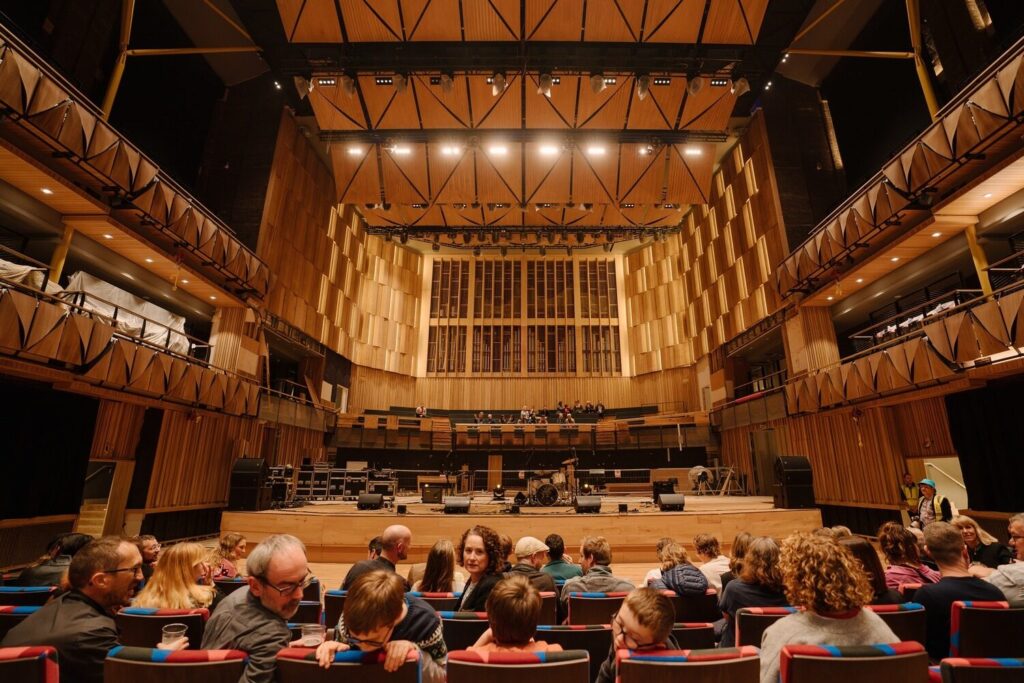
At Brighton Dome, a Grade I listed complex originally built as the Prince Regent’s stables, our work focused on improving flexibility and access. New seating systems, retractable structures and technical integration allow the Corn Exchange and Studio Theatre to accommodate an extraordinarily diverse programme—without compromising the integrity of the original architecture.
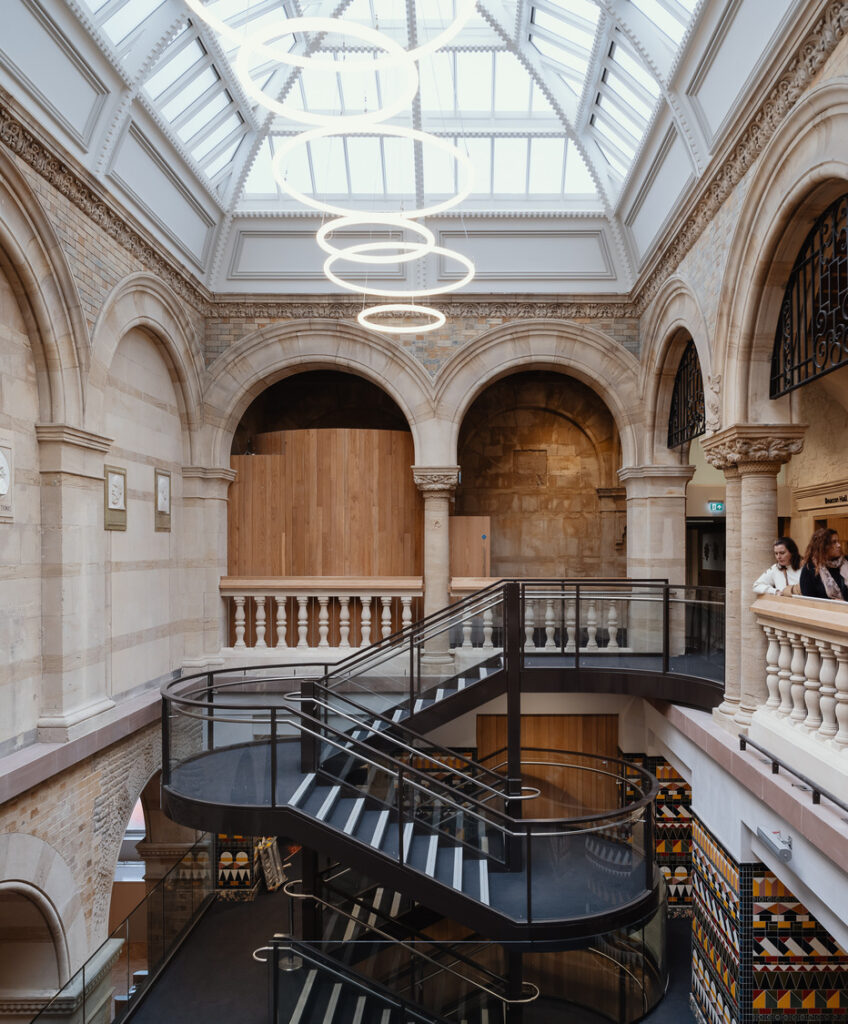
At Bristol Beacon, audiences have gathered for music since 1867. Within the Grade II listed Victorian building, we designed state-of-the-art stage lighting, audiovisual and stage engineering systems to support three performance spaces with markedly different requirements. The challenge was to modernise while enabling rapid changeover, intensive programming and long-term sustainability within a constrained historic envelope. Working with the structure rather than against it, we were able to reinforce its character through careful design.
At Eton College’s School Hall, built in 1911 as a memorial hall and now Grade II listed, the brief demanded a transformation of audience experience—improving sightlines, comfort, acoustics and lighting—while retaining the hall’s ceremonial character. After integrating seating wagons, stage and floor lifts, and adjustable acoustic systems, the hall can now shift seamlessly between performance, assembly and flat-floor use.
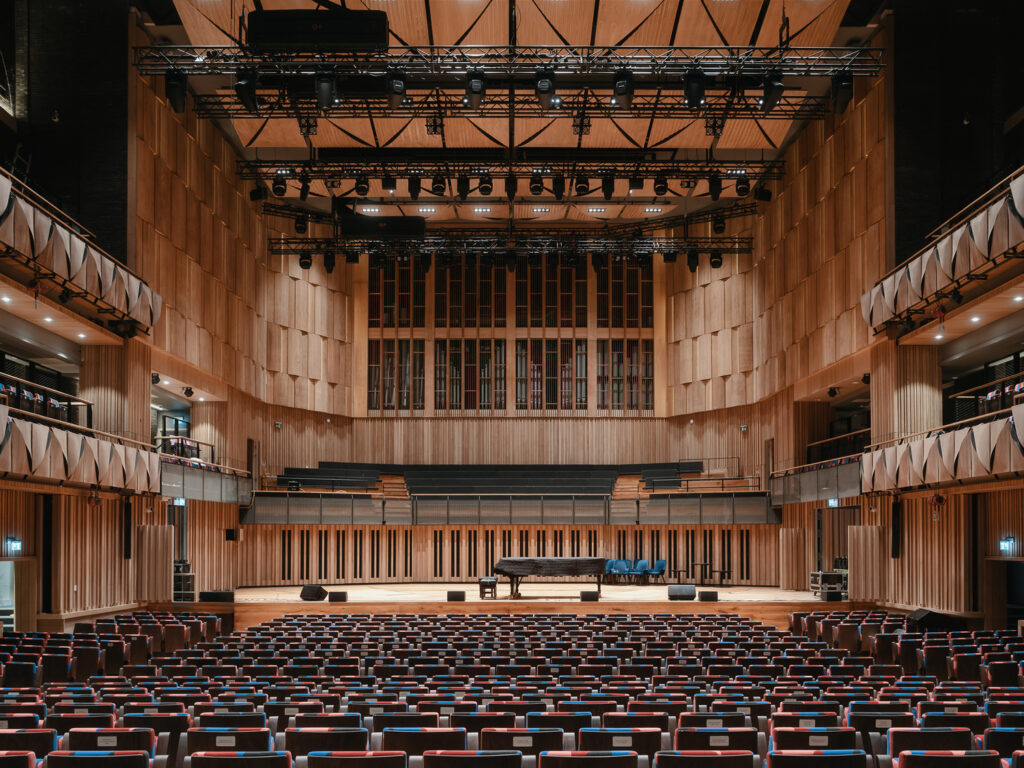
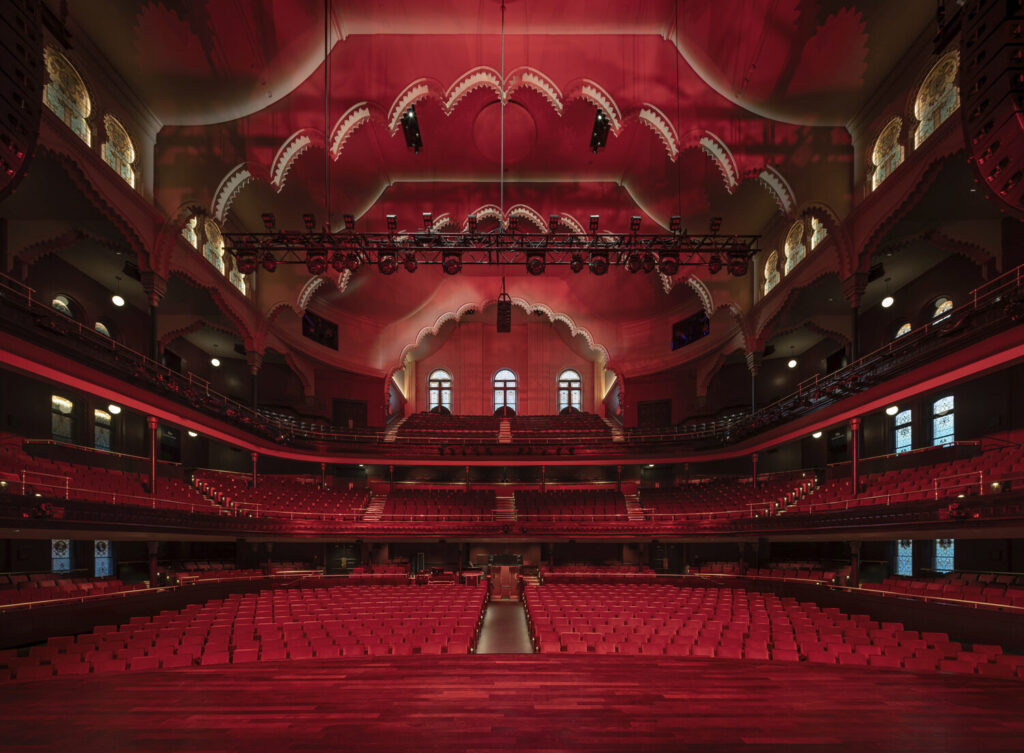
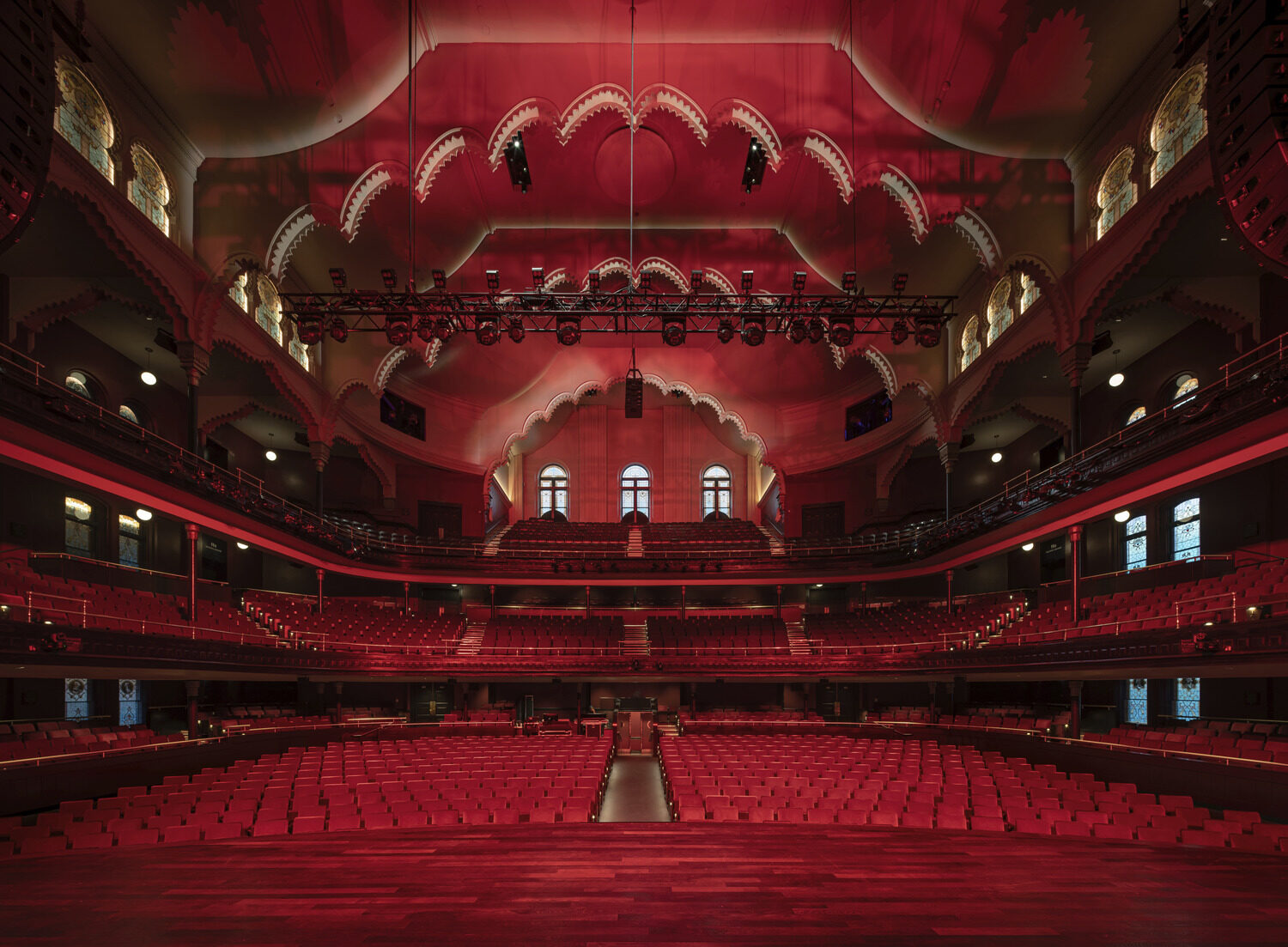
Toronto’s Massey Hall was the exemplar of towing the line between preservation and innovation. Opening in June 1894, the Canadian cultural treasure, needed a “sensitive, strategic revitalisation”. We provided theatre planning, stage lighting and stage engineering for the project including flexible auditorium seating to enable a greater audience capacity with standing room and wider variation of event types.
Massey Hall’s motto for the renovation was “improve everything, change nothing.” Something we could get totally on board with.
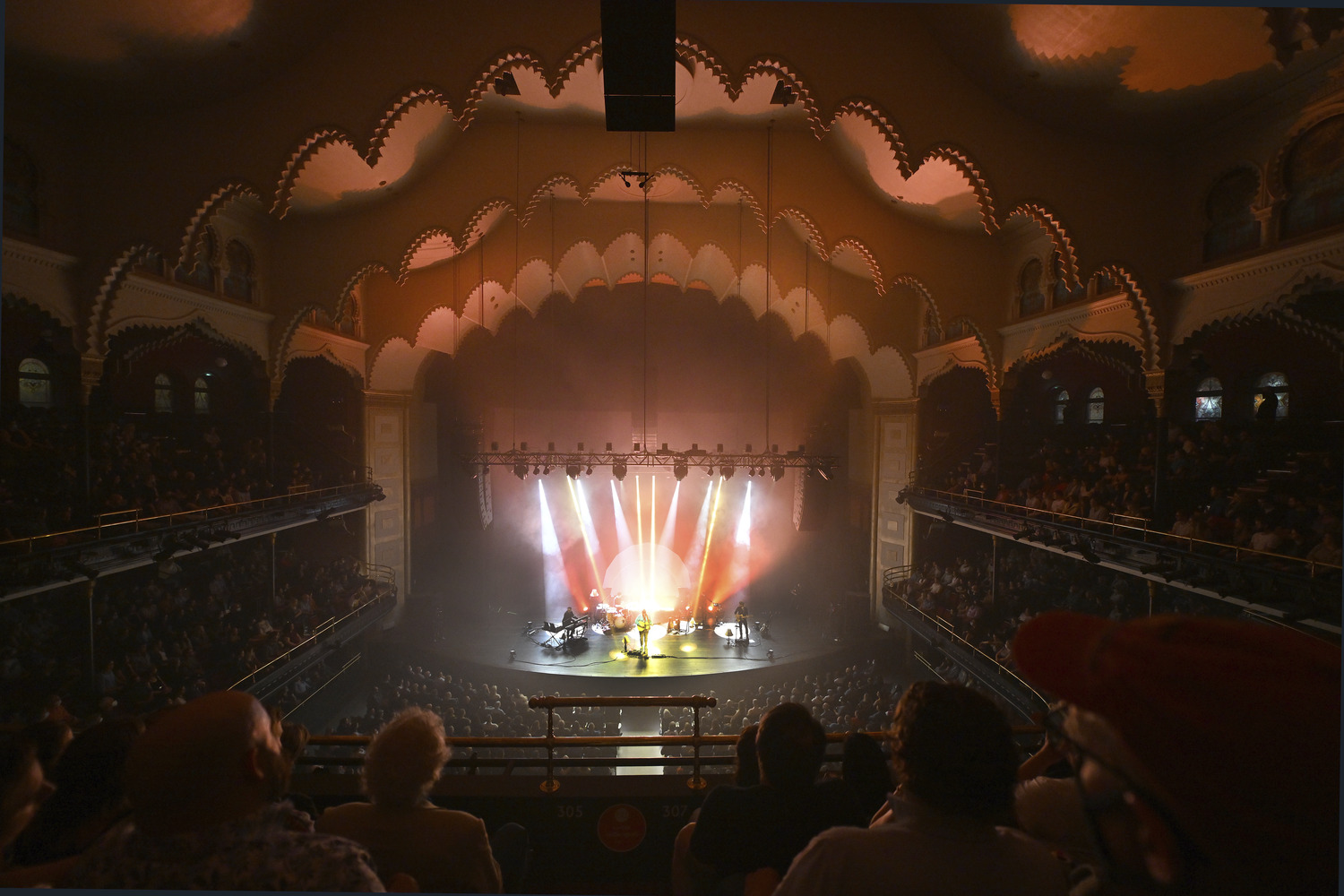
Massey Hall
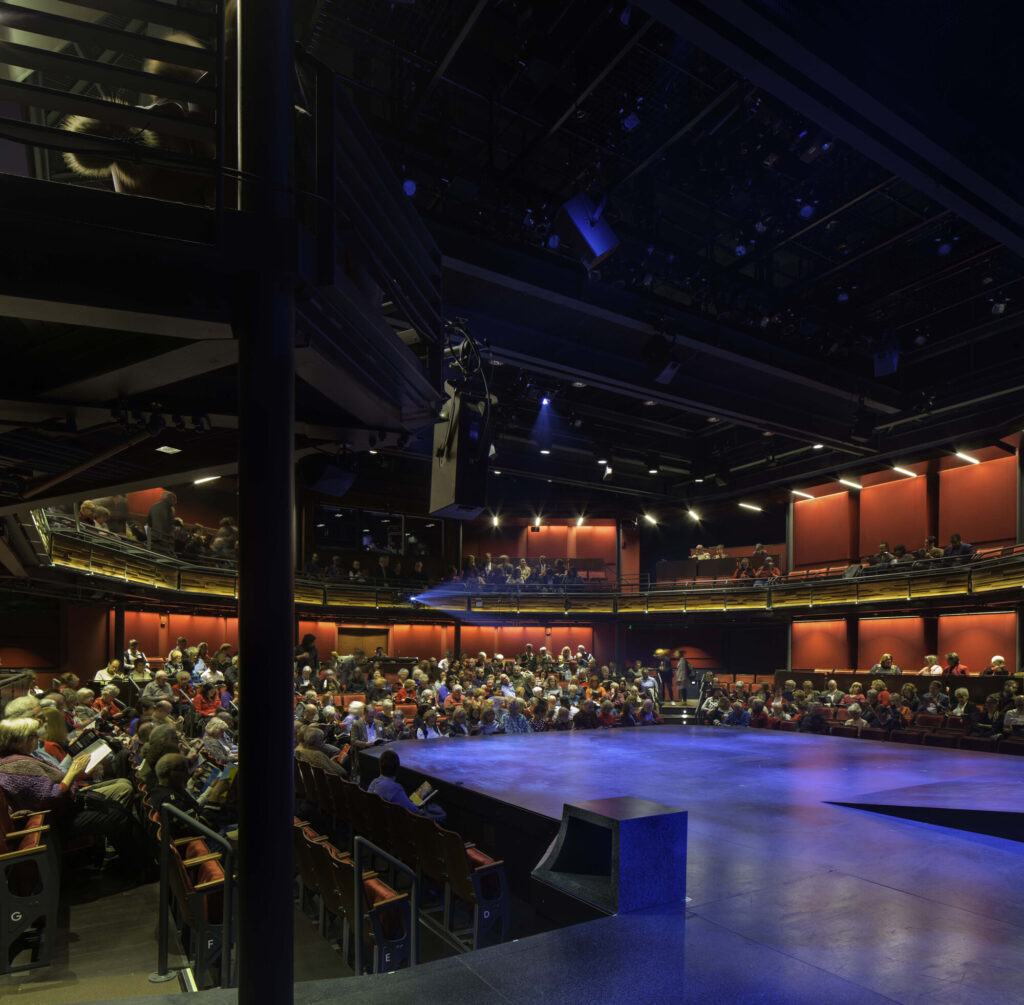
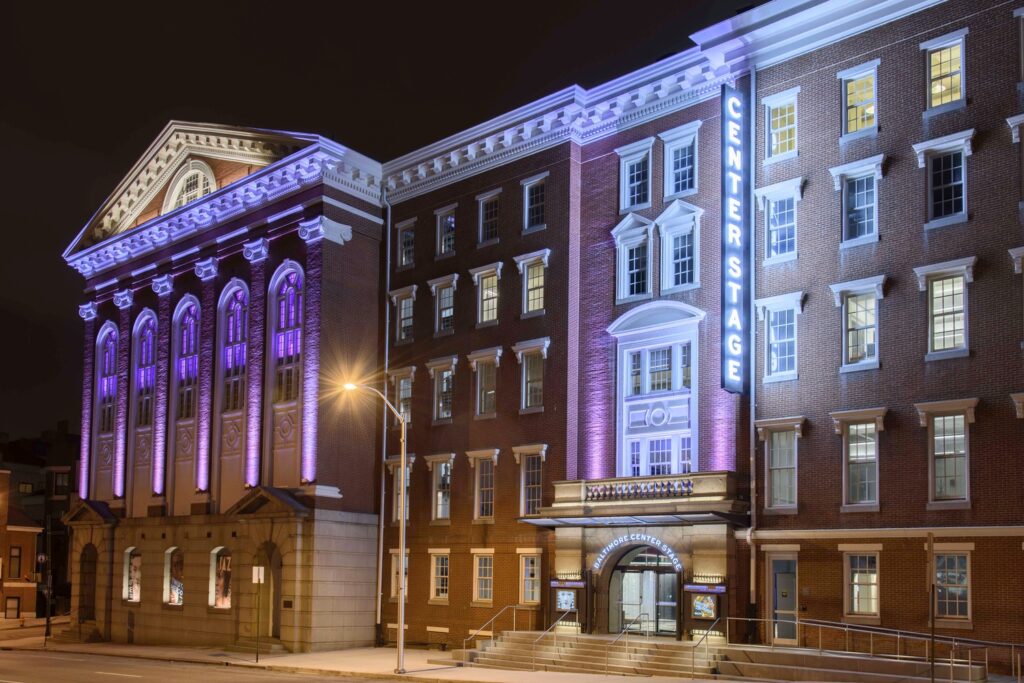
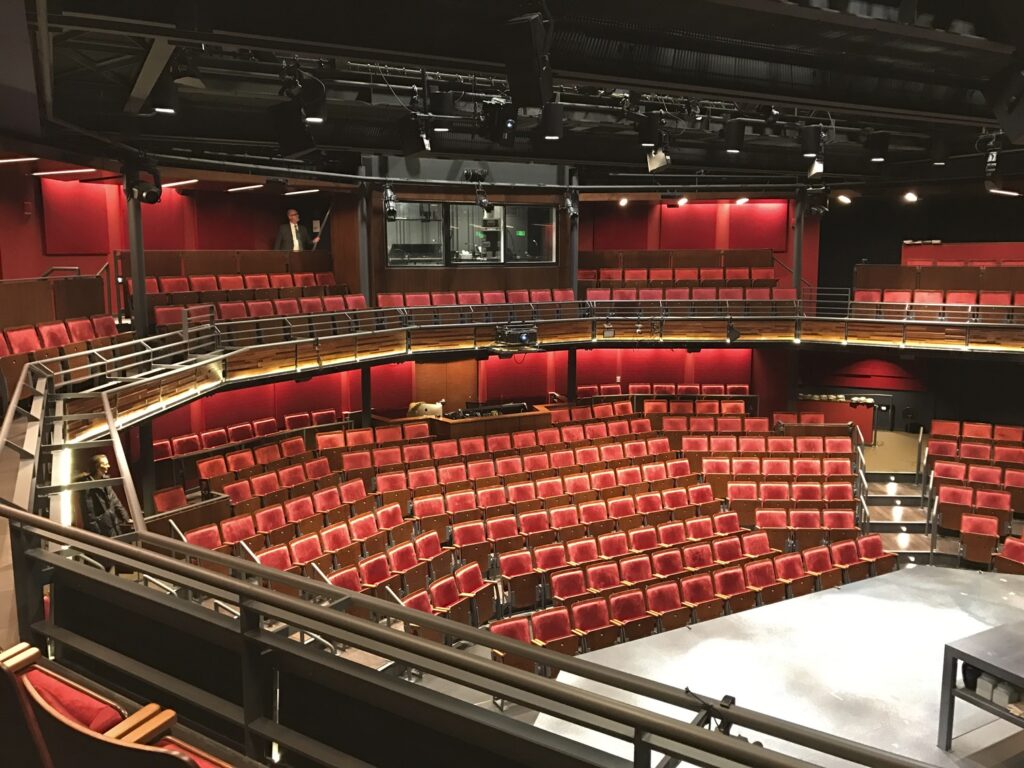
Center Stage Baltimore, housed in a 19th Century former Jesuit School in Baltimore saw Charcoalblue add a new ‘Third Space’ studio theatre as well as improving the flexibility of one of the two existing theatre spaces without reliance on movable seating towers or costly turn-around times. The aim was to minimise impact on production facilities whilst renewing and reworking tired amenities. The solution: a radical redesign to create a 400-seat thrust stage auditorium with greatly improved technical systems and a modular stage floor to enable format flexibility.
We reinvigorated the public spaces by incorporating an integrated lobby experience with custom projection mapping and distributed audio system. Charcoalblue were responsible for engaging the digital artists, designing the networked media system and coordinating the displays with the architecture.
Our commitment to heritage extends beyond performance spaces. Through CBX, we thoughtfully integrated audiovisual and interactive experiences into historic settings, adding contemporary layers of storytelling without compromising architectural character.
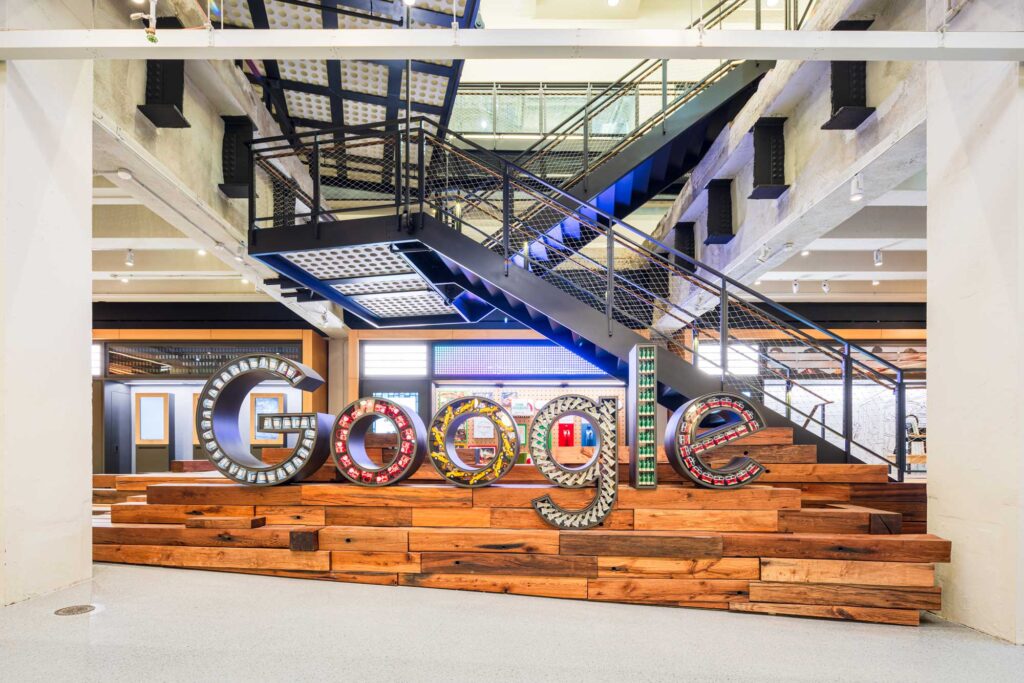
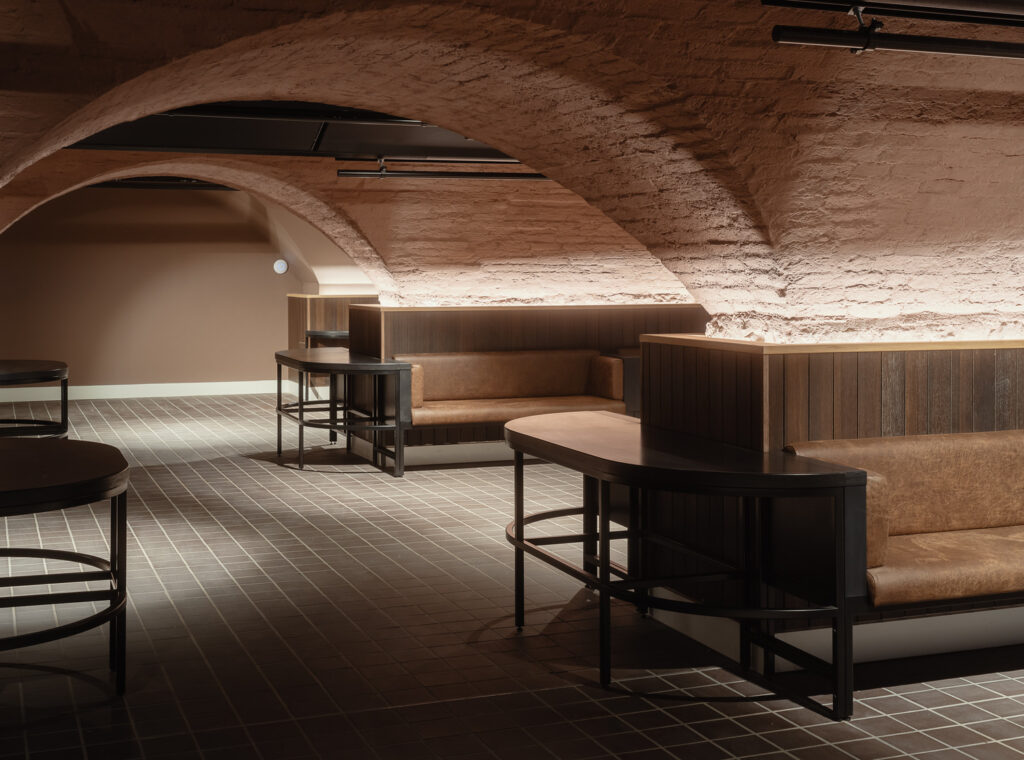
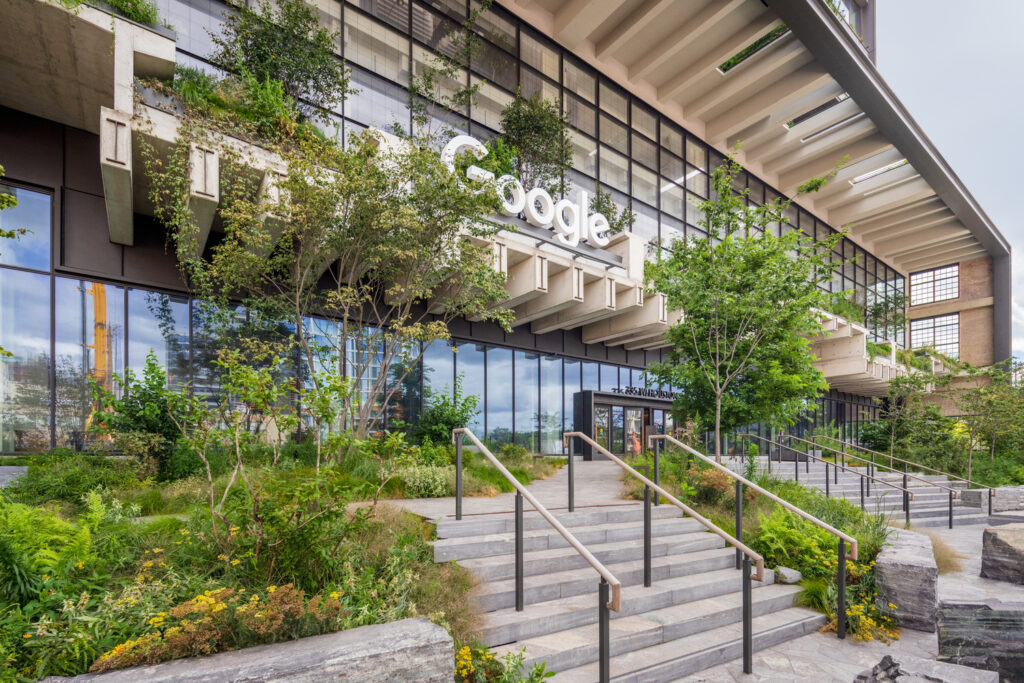
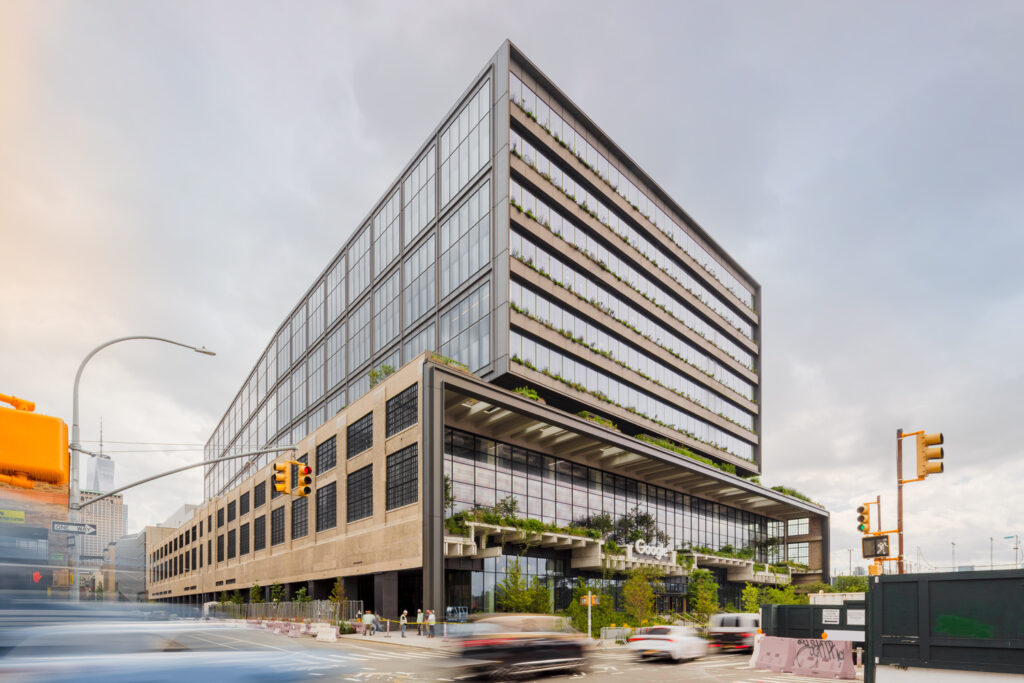
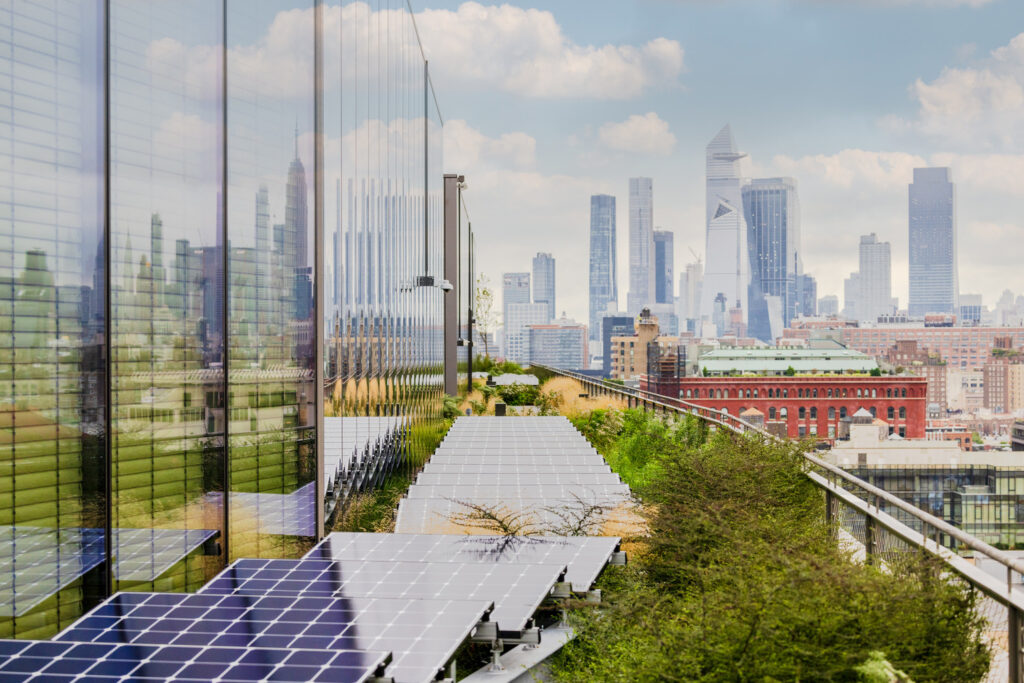
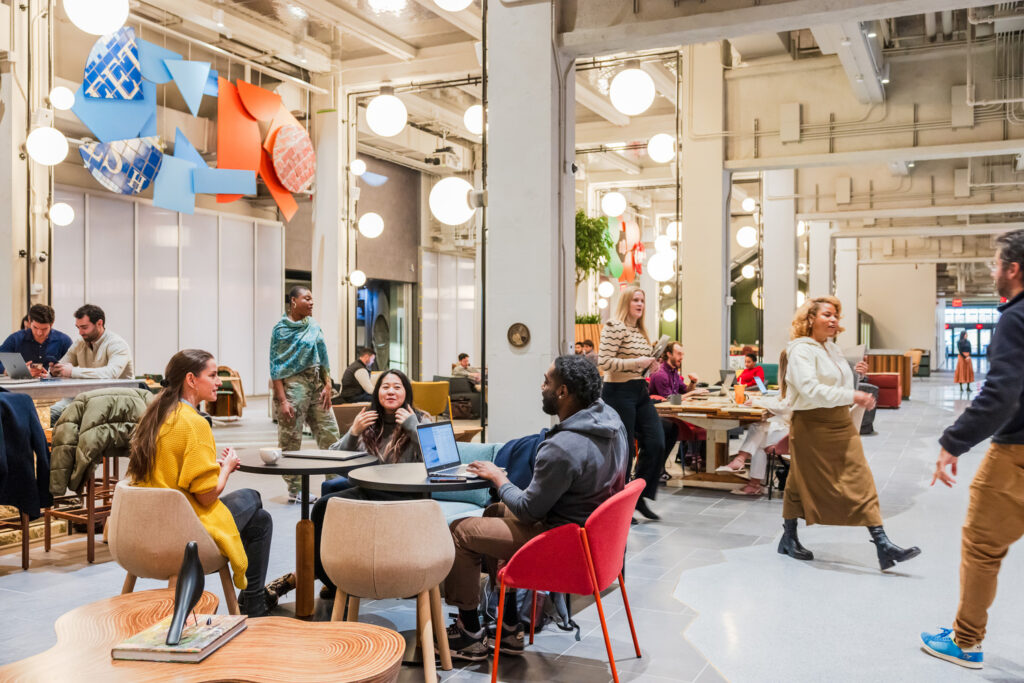
St. John’s Terminal, located in Manhattan, New York, was built in 1934 as the southern terminus of the New York Central Railroad’s elevated High Line. Working closely with Google, CBX provided design strategy and project delivery for the event technology which inhabits the 33,000 square feet of their flagship offices. By weaving pioneering technology, accessible design and experience fabrication alongside rugged brickwork and exposed railway tracks, the essence of the building is not only prevalent, but celebrated.
Heritage, sustainability and long-term stewardship
Environmental responsibility is one of our core values, and it is inseparable from our approach to heritage. Re-using and adapting existing buildings is inherently sustainable—but only if those buildings remain viable.
In heritage arts buildings, sustainability often lies in restraint: avoiding over-specification, designing systems with long lifespans, enabling refurbishment rather than replacement, and prioritising flexibility over redundancy. We approach technical design with a regenerative lens, considering not only immediate performance but long-term resource use, maintenance and adaptability.
Our involvement in initiatives such as the Theatre Green Book, the Sustainability in Production Alliance, and our commitment to Carbon Literacy training reflect a wider belief that heritage stewardship and environmental responsibility must go hand in hand.
At Charcoalblue, our role is to help heritage buildings continue to do what they were always meant to do: bring people together, support artistic excellence, and enrich civic life. By treating heritage as a living instrument rather than a fixed artefact, we aim to design interventions that honour the past while enabling the future.