A Sustainable Shift: How Battery Power Enabled a New Kind of West End Live
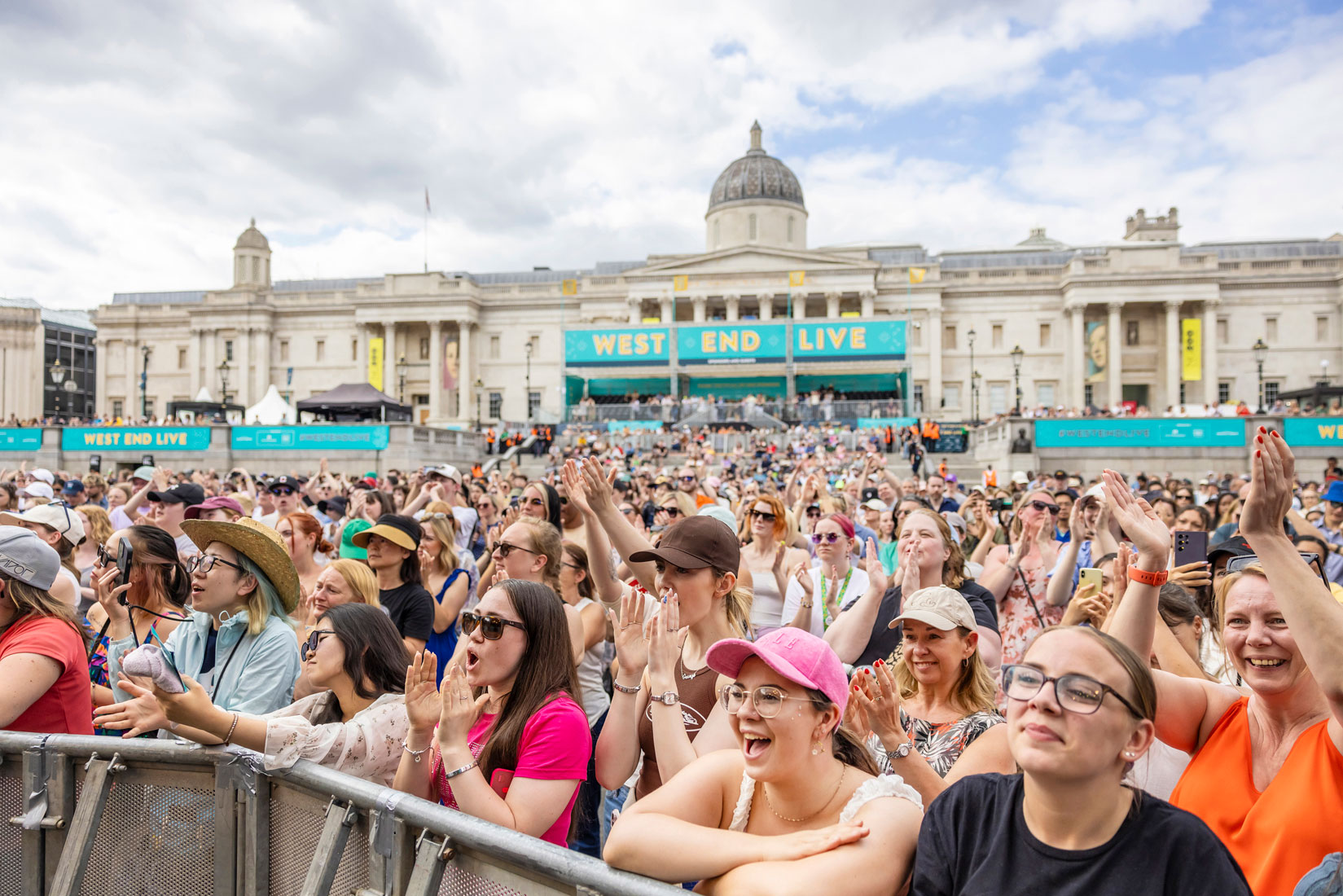
Photo by Pamela Raith
In summer 2025, Trafalgar Square once again became the stage for West End Live, bringing together thousands of theatre fans. What made 2025 different wasn’t visible to the crowds, but it shaped the whole event: the festival was powered exclusively by renewable energy.
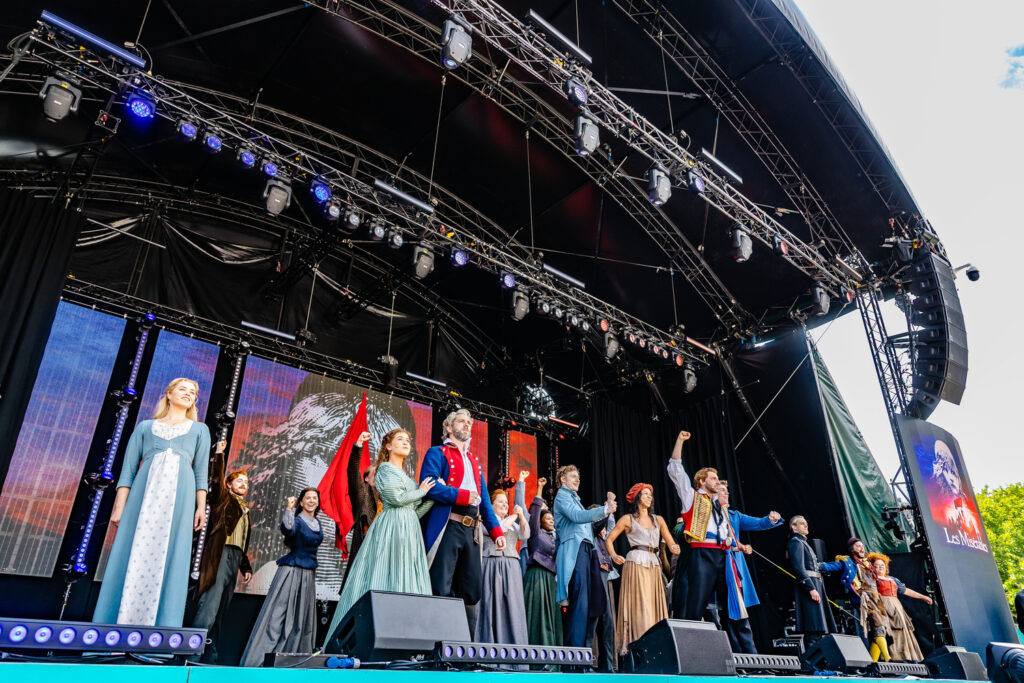
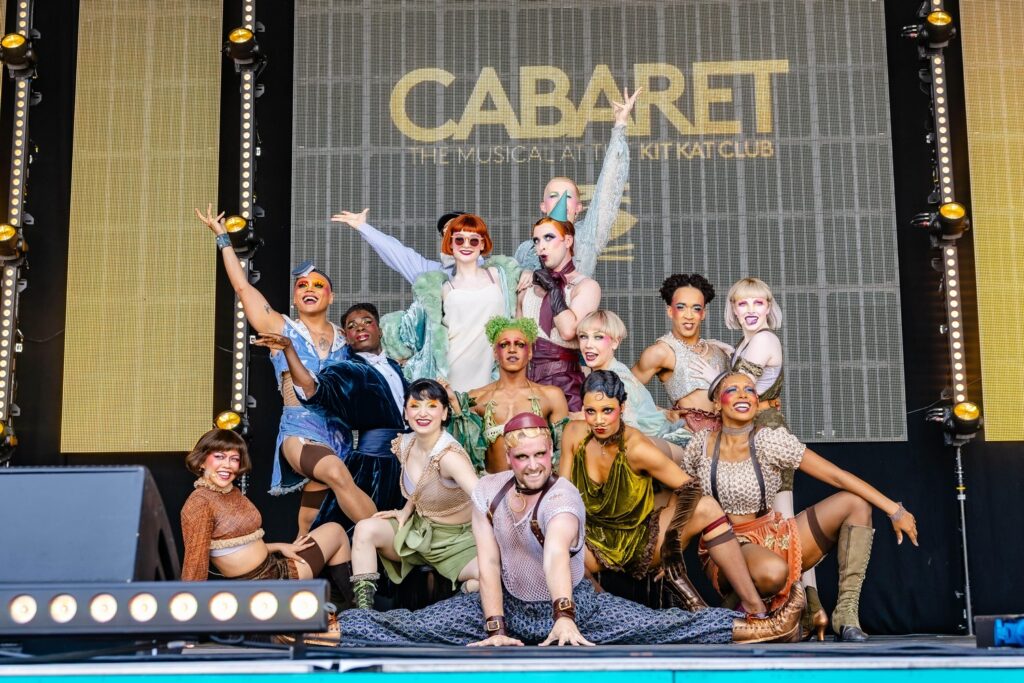
Working with Westminster City Council, Charcoalblue and Film and TV Sevices (FTVS) designed and delivered a power system built around battery sources that supported two full days of shows without a diesel generator at any point. Sixty-eight performances ran on renewable energy, demonstrating that large-scale city-centre events can operate sustainably without compromising audience experience.
A Strategic and Adaptive Approach
When Westminster City Council invited Charcoalblue to plan the technical infrastructure, the brief was clear: improve sustainability. Traditionally, events of this scale rely on a mix of mains power and diesel generators, and while batteries were already being used in smaller ways at festivals, they had never powered a full-scale live performance in central London.
The timeline added pressure. Final technical requirements weren’t known until three weeks before, and we had less than four months to prepare. Each show brought different demands, making it impossible to predict exact power loads in advance. Working closely with David Watson from FTVS, we adopted an adaptive approach — designing for flexibility and focusing on how to adjust as conditions changed.
Overcoming Challenges
Three main challenges shaped our planning:
- Technical uncertainty – With 68 unique performances, energy needs varied widely. We created contingency scenarios, backup systems, and built in capacity to respond to late changes.
- Weather – June 2025 was the second warmest on record, with an amber heat warning issued- an unprecedented challenge amidst already complex logistics. The extreme temperatures significantly increased cooling demands, requiring us to balance energy loads while prioritising audience and performer comfort and safety.
- Power management – LED screens are among the most energy-intensive elements. By starting them at 40% brightness and adjusting based on daylight and battery levels, we reduced unnecessary draw without affecting visibility.
Collaboration in Action
The project’s success relied on close collaboration. Westminster City Council, production teams, and energy providers worked openly, sharing data and problem-solving in real time. This collective approach allowed us to adapt quickly and keep the event running smoothly.
Looking Ahead
The achievement at West End Live 2025 goes beyond one weekend.
It proves that a sustainable battery powered infrastructure is a viable alternative to diesel power for large scale events.